Understanding Bonafide Honey Oil: A Deep Dive Into Cannabis Concentrates
If you have spent any time around cannabis concentrates, you have likely heard the term "honey oil" thrown around. It is one of those phrases that gets used loosely, often for any light-colored extract that pours like a thick syrup. But when someone talks about bonafide honey oil, they are referring to something more specific. It is not just a casual nickname. It describes a particular kind of cannabis oil that has been made with care, using clean extraction methods and attention to the plant's full chemical profile.
I have been working with cannabis concentrates for years, both as a hobbyist maker and as someone who vapes and dabs daily. Over that time, I have tried everything from simple solvent-washed extracts to high-end rosin and distillates. What I have learned is that the difference between something that works well and something that really shines often comes down to how the oil is processed. That is where bonafide honey oil earns its reputation.
What Makes Honey Oil Different
Honey oil sits in a middle ground between a standard cannabis oil and a more refined distillate. It is usually made by gently extracting cannabinoids and terpenes from hemp or cannabis biomass using a solvent like ethanol or CO2, then carefully removing the solvent to leave behind a viscous, amber liquid. The result is a full-spectrum extract that retains a wide range of compounds, not just THC and CBD, but also minor cannabinoids, terpenes, and flavonoids. That complexity matters because those smaller molecules contribute to the entourage effect, the idea that cannabis compounds work better together than in isolation.
Many commercial extracts are stripped down to just one or two cannabinoids. That makes them easy to dose and label, but you lose the subtleties. A well-made honey oil keeps the plant's character. It smells like the source strain, tastes like it, and delivers a more rounded experience. That is why people who vape or dab often prefer it over isolates.
Bonafide Honey Oil in Practice
When I first tried a batch of bonafide honey oil from a local maker, I was struck by how clean it was. No burnt notes, no chemical aftertaste. It vaped smoothly in a vape cart at low temperature, and when I dabbed a small drop on a quartz banger, it left behind only a faint residue. That kind of purity comes from proper winterization and filtration. The oil had been dewaxed and filtered through fine mesh to remove lipids and plant matter that can cause harshness.
That same batch also worked well as a tincture. A few drops under the tongue gave a slow, steady effect that lasted longer than smoking. Because honey oil is already decarboxylated if it contains delta 9 THC, it can be used orally without needing to heat it. That flexibility is one of the reasons I keep a bottle in my cabinet. It is a cannabis concentrate that can serve multiple roles depending on what I need.
Delta 8 and Delta 9: The THC Picture
Not all honey oils are the same when it comes to potency. Some are made from hemp that is high in CBD and low in delta 9 THC. Others are derived from cannabis with a strong delta 9 profile. There is also growing interest in delta 8 THC, a cannabinoid that is less psychoactive than delta 9 but still offers noticeable effects. A full-spectrum honey oil might contain both delta 8 and delta 9, along with CBD and other minor cannabinoids. That combination can produce a more balanced experience, especially for people who find high-delta 9 products too intense.
I have used honey oil that was predominantly delta 8 for daytime microdosing. It gave me a clear-headed calm without the fog that sometimes comes with stronger extracts. When I wanted something more relaxing in the evening, a dab of a delta 9-rich honey oil did the job. The key is knowing what is in your oil, which is why reputable sellers like KushStation provide lab results and clear labeling.
How to Use Honey Oil
There are several ways to use a cannabis concentrate like honey oil. Here are the most common methods I have tried and seen others use:
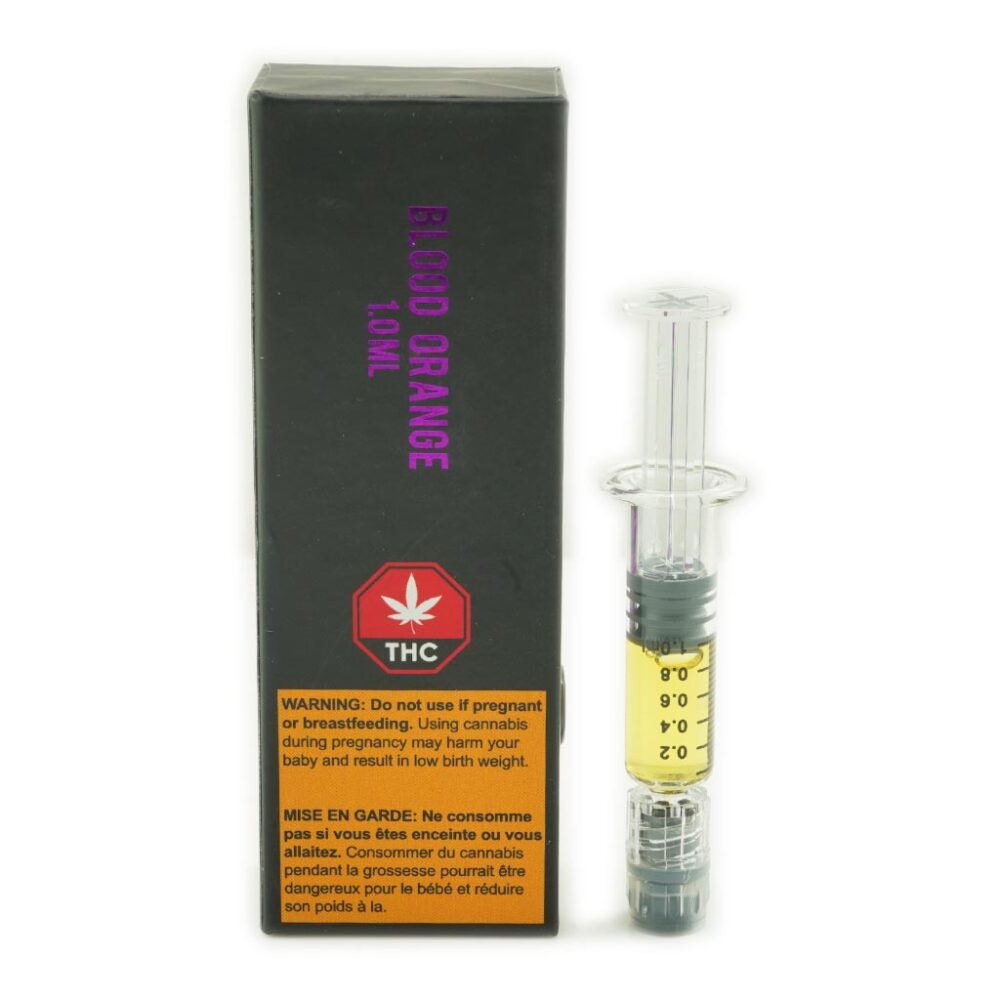
- Dabbing on a hot surface, either a quartz banger or a ceramic coil in an e-nail. Start with a rice-grain sized drop and adjust temperature to avoid burning the terpenes.
- Adding to a vape cart designed for concentrates. Mix with a small amount of liquidizer or use a cart with a ceramic coil that can handle thick oil.
- Mixing into an edible recipe. Honey oil blends well into butter or coconut oil, making it easy to infuse baked goods or sauces.
- Using as a tincture under the tongue. A dropper bottle makes dosing simple, and the effects come on within 20 minutes.
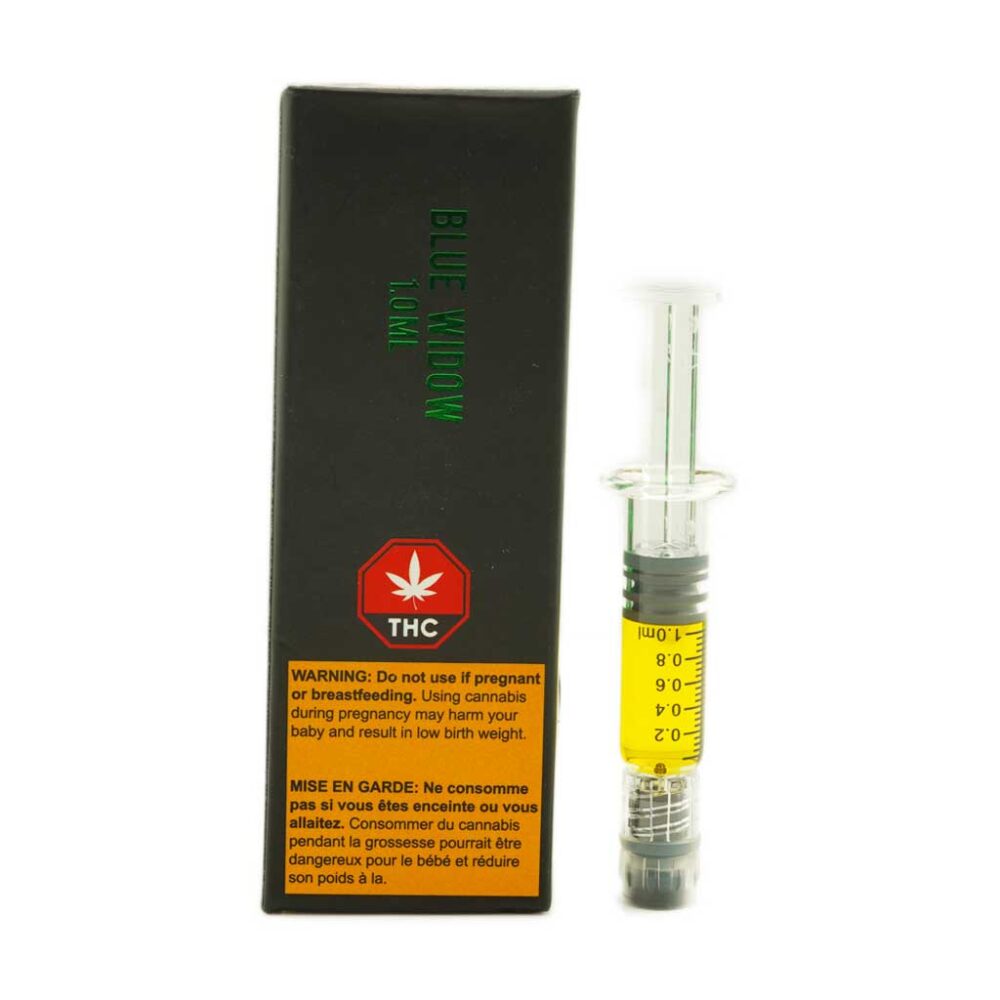
Each method changes the experience. Dabbing gives the fastest onset and fullest flavor. Vaping is more discreet and easier on the lungs. Edibles take longer to kick in but last for hours. I keep a small syringe of honey oil in my travel bag for days when I need a precise dose without carrying a rig.
The Role of Distillates and Full Spectrum Extracts
A distillate is a more refined product than honey oil. It is made by heating the extract under vacuum to separate volatile compounds by boiling point. That process can isolate specific cannabinoids or terpenes, but it also removes some of the minor compounds that give a full-spectrum oil its character. For some uses, like making a precise edible dose, a distillate is ideal. For others, like getting a rich flavor profile, a less processed honey oil wins.
I have compared a straight distillate of delta 8 to a full-spectrum honey oil that includes delta 8, delta 9, and CBD. The distillate hit faster but felt flat. The honey oil had a slower onset and a more layered effect. That is the entourage effect in action. The flavonoids and terpenes in the oil modulate how the cannabinoids interact with your endocannabinoid system. It is not just about THC percentage. It is about the whole mix.
Quality Indicators
When you are shopping for bonafide honey oil, look for signs of good manufacturing. A reputable producer will tell you the source material, the extraction method, and the cannabinoid profile. The oil should be tested for residual solvents and heavy metals. It should be stored in an airtight container away from light and heat. If the oil smells like alcohol or has a burnt taste, that is a red flag.
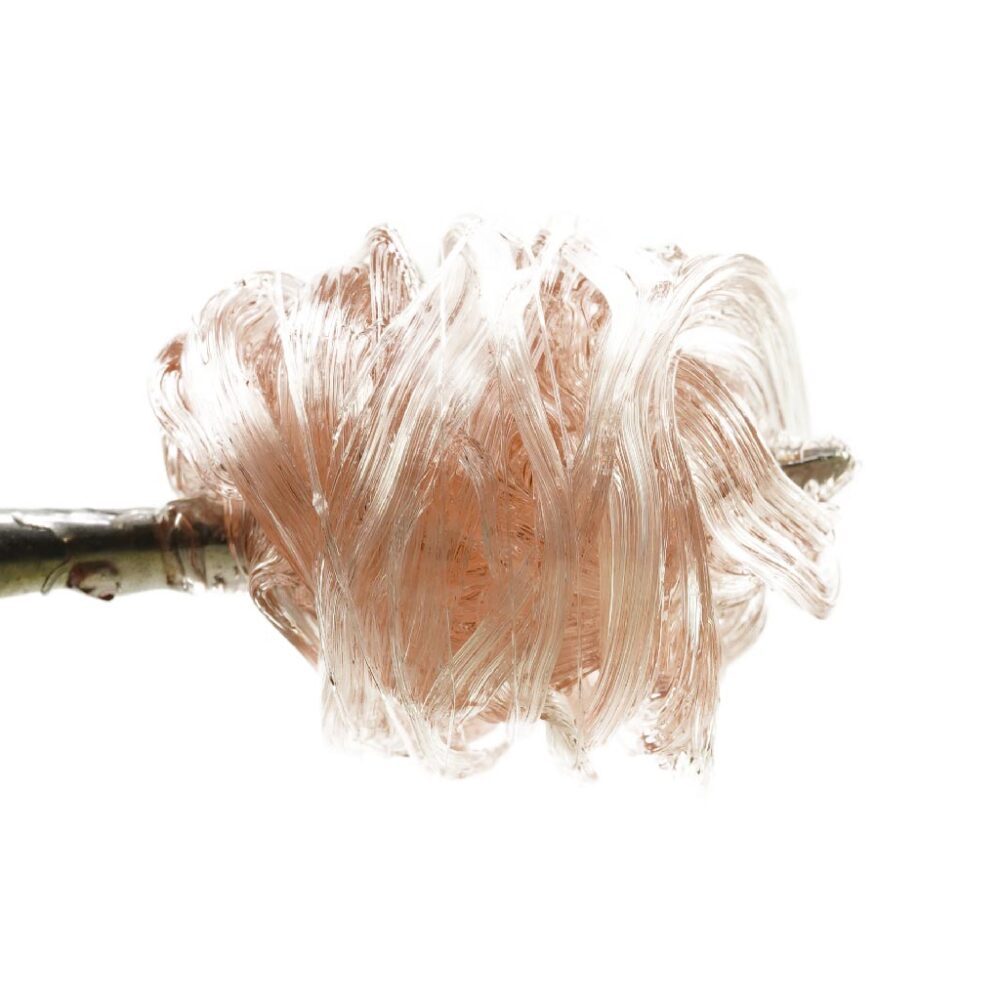
I have seen cheap honey oil that was clearly made from low-grade biomass and stripped with butane. It left a sticky residue in my vape cart and tasted like a chemical spill. The good stuff, the real bonafide honey oil, is made from clean hemp or cannabis flowers and extracted with food-grade ethanol or CO2. It pours like honey, smells like the plant, and vaporizes without leaving a mess.
Final Thoughts on a Versatile Concentrate
Honey oil is not the most potent concentrate on the market, but it does not need to be. Its strength is in its versatility and its full-spectrum nature. Whether you are dabbing, vaping, or making edibles, a quality bonafide honey oil gives you a reliable foundation. It is a product that respects the complexity of the cannabis plant while still being practical for everyday use.
I have moved away from isolates and back to full-spectrum extracts over the past year. The difference in effect is noticeable, especially for managing stress and sleep. If you have only tried distillates or single-cannabinoid products, I recommend giving a well-made honey oil a try. Start with a small dab or a few drops in a tincture. Pay attention to how it feels. You might find that the whole plant works better than any one part.